
Implant crown loose? Get it checked before it turns into a bigger problem.
Loose dental implant crown (or cap) — symptoms, causes, and what to do today
Quick answer: Most “loose implant crowns” are a loosened screw or a crown that isn’t fully seated — often fixable if you act early. Avoid chewing on it, don’t glue it, and book an assessment. If the implant itself moves with the gum, that’s more urgent and needs checking promptly.
If your implant crown feels like it’s moving, clicking, or sitting “high”, it usually means the crown/abutment screw has loosened — and it’s often fixable if you act early. If the implant itself is loose, that’s more urgent and needs an assessment promptly.
Tip: If you can, message us a clear photo and tell us when it started (e.g. “implant crown loose after 1 week”).

Dr Rikki Dhody
Implant planning & aftercare • Calm, clear advice
First: is it the crown that’s loose, or the implant?
Most common: the implant crown/abutment is loose
- Feels like the “tooth” moves a little, especially when chewing.
- Clicking sensation, bite feels different, or food packs around it.
- Often caused by a loose abutment screw or cement washout.
More urgent: the implant fixture itself is loose
- The whole implant feels like it “wiggles” with the gum.
- May come with swelling, bleeding, a bad taste, or gum tenderness.
- Possible bone/support issues and needs an assessment promptly.
If you have facial swelling, fever, spreading redness, difficulty swallowing, or you feel unwell: seek urgent medical help.
Not an implant? If your crown or veneer is on a natural tooth (not an implant), use this guide instead: Tooth crown or veneer feels loose or came off — what to do.
Quick advice: avoid chewing on that side, don’t try to glue it yourself, and book an assessment so we can secure it safely.
Which part is loose?
People often search “implant crown loose”, “healing cap loose”, or “crown with screw fell out”. The right fix depends on what has moved.
Healing cap loose (before your crown)
- Often feels like a small metal “cap” has movement.
- Avoid fiddling with it using your tongue.
- Book a review so we can re-seat/secure it and check the gum.
Screw-retained crown loose (or fell out)
- Clicking, movement, or the crown may come off with the screw access hole.
- Keep the crown safe and bring it in (don’t force it back on).
- Often fixed by re-seating + re-torquing + bite adjustment.
Cement-retained crown loose
- May feel “wobbly” without an obvious screw access point.
- Don’t use household glue or “temporary fixes” at home.
- We’ll clean, assess fit, and re-cement safely if appropriate.
Implant fixture feels loose (more urgent)
- The movement feels deeper — as if the implant shifts with the gum.
- Can indicate support/bone issues and needs prompt assessment.
- Avoid chewing on it and book as soon as you can.
What patients say
The Dentist is a really good and professional practice. The dentist himself is very friendly, informative and made me feel at ease from the start of my treatment. The assistants were very good and made the experience overall 5 star.
So lovely, got 6 tooth gems - service was great x
I had braces here. Used to drive past and saw this practice. Readily available appointments and they are happy to adjust timing to suit our schedule. Came for a better smile, was recommended teeth straightening, went for it and I am so happy. Had ceramic braces and teeth were straight very quickly in 9 months. Very happy and highly recommend this team and dental practice. Will be coming back for check-ups and other treatments now.
Why fixing a loose implant crown early matters
Less chance of damage
Loose parts can wear the screw threads or fracture porcelain if you keep chewing on it.
Often a simple fix
Many cases are “tighten + re-seat + bite check” rather than a full remake.
Stops food trapping
A moving crown can create gaps that inflame the gum and cause bad taste/bleeding.
Clear plan
We’ll tell you what’s loose (crown vs implant), why it happened, and what happens next.
Symptoms of a loose dental implant crown
- Movement when you bite (even slight).
- Clicking sensation or “springy” feel.
- Bite suddenly feels high / uneven.
- Food packing, gum irritation, bleeding when brushing.
- Bad taste or tenderness around the implant (can suggest inflammation).
Why can dental implants come loose?
People often search “can dental implants come loose?” — the honest answer is yes, but the reason matters. Most of the time it’s not the implant “falling out”; it’s the crown/abutment connection loosening.
A) Crown/abutment screw loosening (very common)
- Bite overload (hard chewing, clenching/grinding).
- Crown contacts are too “heavy” and repeatedly loosen the screw.
- Wear over time or a previous loosening episode.
B) Cement washout (if it’s cement-retained)
- Cement can break down, especially if the fit is slightly off.
- Gaps allow food/bacteria in → gum inflammation and movement.
C) Implant support problems (less common, more urgent)
- Inflammation around the implant with bone loss.
- Failure to integrate (rare, but can happen early).
- Trauma or significant overload.
Local help you can actually get to
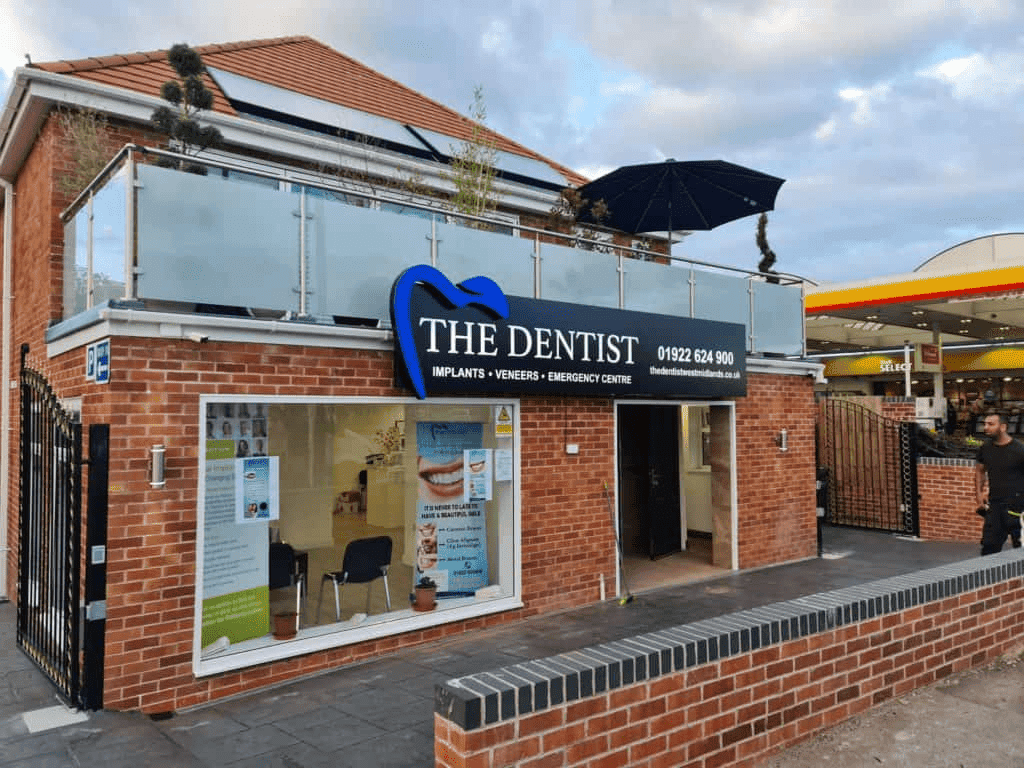
If your implant crown is loose, timing matters
A quick assessment can prevent damage and keep the fix simple.
- We confirm what’s loose: crown/abutment vs implant fixture.
- We check bite forces (a common reason it loosens again).
- We explain your options clearly, then help you act.
Loose after 1 week vs loose after 1 month — does timing change things?
Dental implant crown loose after 1 week
Often a bite/contact issue, early screw settling, or the crown not fully seated. It’s usually very fixable — but avoid chewing on it until it’s checked.
Dental implant loose after 1 month (or later)
Could still be a screw/crown issue — but we’ll also check the gum health and supporting bone, plus clenching/grinding signs.
What to do if a dental implant becomes loose
- Stop chewing on that side (especially hard or sticky foods).
- Don’t glue an implant crown back in yourself — it can block screw access, trap bacteria, and make repair harder.
- If the crown has come off completely, keep it safe in a small container and bring it with you.
- Keep the area clean (gentle brushing + warm salty rinses if sore).
- Book an assessment so we can identify what’s loose (crown vs implant) and secure it properly.
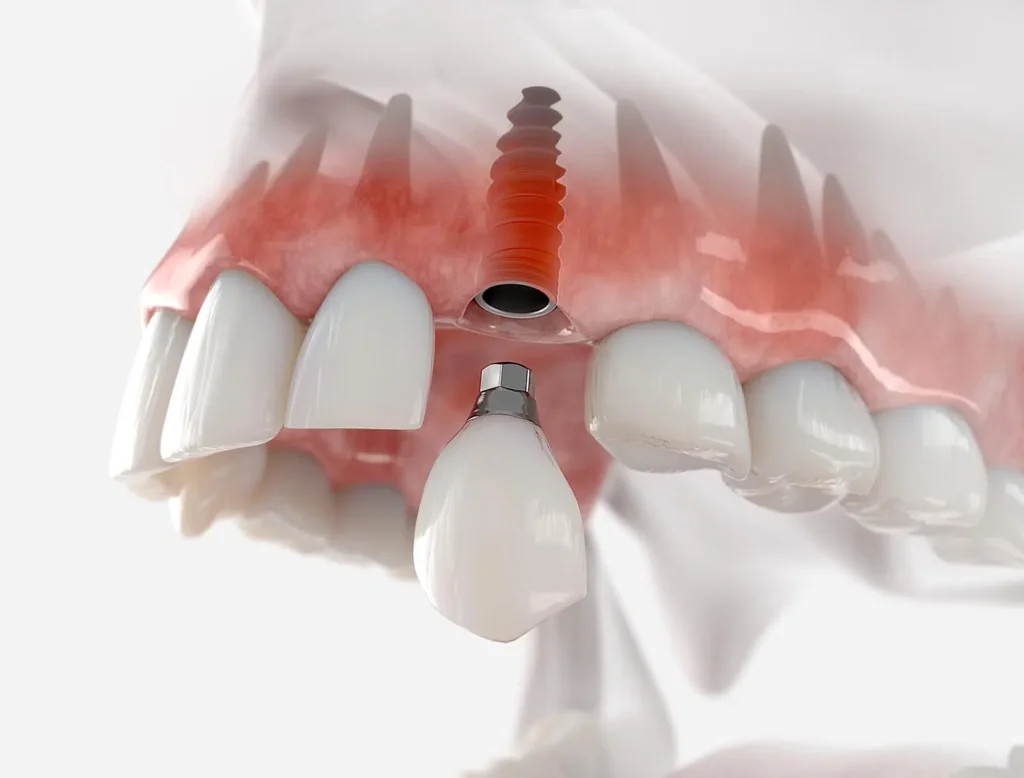
How we fix a loose implant crown
What we check: we confirm what’s loose (crown/abutment vs implant), assess the bite/occlusion (a very common cause of repeat loosening), and check the gum and supporting bone. Where needed, we take an X-ray to help confirm what’s happening around the implant.
The right fix depends on what’s actually loose. Common options include:
- Remove the crown safely (where possible) and check the connection.
- Tighten or replace the screw to the correct torque and re-seat the crown.
- Adjust the bite to reduce repeat loosening (a very common cause).
- Re-cement (if cement-retained) after cleaning/assessing the fit.
- Check gum health and give a cleaning plan for long-term stability.
- Grinding/clenching plan (often a guard) if overload is the driver.
FAQs
Can a loose implant crown be tightened?
Often, yes. If it’s the crown/abutment screw that has loosened (the most common scenario), we can usually re-seat the crown, tighten to the correct torque, and adjust the bite so it doesn’t keep loosening.
Is a loose implant crown an emergency?
It’s not always an emergency, but it is time-sensitive. Even slight movement can damage the screw/threads or irritate the gum. Book promptly — and avoid chewing on that side until it’s secured.
My implant crown is loose after 1 week — why?
Common reasons include the bite being a little “high”, early screw settling, or the crown not fully seated. Many cases are straightforward once we re-seat it, tighten properly, and check the occlusion.
Can implants come loose?
Yes — but very often it’s the crown/abutment connection that loosens, not the implant “coming out”. The fix depends on which part is moving.
Loose implant, no pain — is that still serious?
It can be. A loose implant crown can be painless at first. Even without pain, movement can damage parts and irritate the gum, so it’s worth checking promptly.
Dental implant crown loose after 1 week — what does it usually mean?
Commonly bite overload or the screw settling/loosening. Many cases are straightforward once we re-seat it, tighten properly, and adjust the bite.
What to do if a dental implant becomes loose?
Avoid chewing on it, keep it clean, don’t glue it yourself, and book an assessment so we can identify what’s loose and secure it correctly.
Worried your implant crown is loose?
Book an assessment and we’ll confirm what’s moving (crown vs implant), secure it properly, and explain the cause so it doesn’t keep happening.
Related pages
Loose crown or veneer (natural tooth)
If it’s not an implant, use this guide for what to do and how we re-cement safely.
Dental implants
How implants work, who they suit, and what to expect.
Why implants fail
Common causes, warning signs, and how to reduce risks.
Implant costs
What affects price and what’s included.
Contact
Ask a quick question or message a photo for guidance.