
The Dentist • Great Barr, Birmingham
How Long Do Dental Implants Last?
- GDC registered
- CQC registered
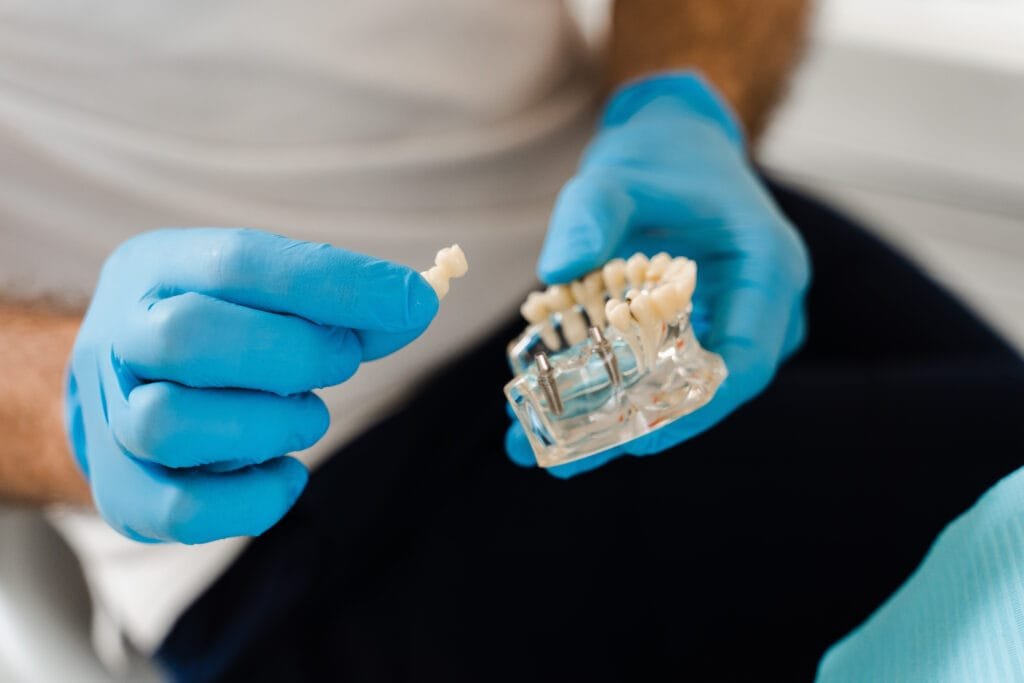
Implants can last for decades
When properly cared for, dental implants can last many years, often decades, with good care and check-ups. Many implants placed decades ago are still working well. The titanium implant fixture itself rarely needs replacement – it integrates with your jawbone and becomes a permanent part of your mouth.
This exceptional longevity makes dental implants one of the most cost-effective tooth replacement options available, despite the higher initial investment. Dentures and bridges usually need replacing or remaking over time, whereas a well-maintained implant can give many years of reliable service.
What Affects Implant Lifespan?
The implant itself is designed to last long term, but several factors can influence how long your implant remains successful:
1. Oral Hygiene
This is the most critical factor. Good oral hygiene prevents gum disease and bone loss around the implant. Brush twice daily, floss regularly, and maintain professional cleanings every 6 months.
2. Smoking
Smoking significantly reduces implant longevity. Smokers have higher rates of implant failure and bone loss. If you smoke, quitting or reducing smoking will dramatically improve your implant's lifespan.
3. Bone Health and Density
Strong, healthy jawbone is essential for implant success. Certain conditions like osteoporosis may affect bone quality. Maintaining good nutrition and overall health supports bone health.
4. Gum Disease
Gum disease (periodontal disease) can lead to bone loss and implant failure. Control bacteria through excellent oral hygiene and professional cleanings to prevent gum disease.
5. Grinding or Clenching
Excessive grinding or clenching (bruxism) places extra stress on implants. A nightguard can protect your implant from excessive force.
6. Regular Dental Visits
Regular check-ups (every 6 months) allow early detection of any problems. Professional cleanings remove tartar that home cleaning cannot.
7. Crown Quality and Maintenance
The visible crown may need replacement after 10-15 years due to normal wear, even if the implant fixture is fine. High-quality crowns last longer than lower-quality ones.
How to Keep Your Dental Implants Healthy
Following these care instructions will help maximise your implant's lifespan:
- Brush twice daily with a soft-bristled toothbrush and non-abrasive toothpaste
- Floss every day using special floss for implants or a water flosser
- Use antimicrobial mouthwash to help prevent gum disease
- Attend regular dental appointments every 6 months for professional cleanings and check-ups
- Avoid smoking – the single best thing you can do for implant longevity
- Wear a nightguard if you grind or clench your teeth
- Limit hard foods that might crack the crown or place excessive stress on the implant
- Maintain overall health with good nutrition and exercise
What Can Cause Implant Failure?
Implant failure is uncommon, but it can happen if:
- Poor oral hygiene leads to severe gum disease or bone loss
- Smoking prevents proper healing and integration
- Inadequate jawbone density wasn't corrected before implant placement
- Infection occurs during or after surgery
- The implant is subjected to excessive force or trauma
- Underlying health conditions affect bone healing
Implant Care Tips from Your Birmingham Dentist
Learn how to properly clean and care for your dental implants with our detailed guide. Proper care is the key to enjoying your implant for decades to come. Your investment in a dental implant is an investment in your long-term oral health and confidence.
Ready to find out more?
Call us, book online, or send a message and we’ll guide you on the best next step.
What our patients say
I've had several treatments at The Dentist, Implants, Veneers, Emergency Centre, including wisdom tooth extraction, crowns, and fillings, and I couldn't be more pleased with the care I've received. The team is professional, caring, and ensures every visit is as comfortable as possible. The dentist took great care to make sure I …
Read full review
I've had several treatments at The Dentist, Implants, Veneers, Emergency Centre, including wisdom tooth extraction, crowns, and fillings, and I couldn't be more pleased with the care I've received. The team is professional, caring, and ensures every visit is as comfortable as possible. The dentist took great care to make sure I felt at ease during each procedure, and the results have always been excellent. Whether it's routine dental work or something more complex, I highly recommend trying this place. They truly go above and beyond to provide exceptional service
I went to this dentist to have a consultation to see if they could finish off the work on my teeth which was done by an another dental clinic which went into liquidation after fitting my implants.
I found Rikki and Ana very courteous and knowledgeable about the work I needed doing. It was explained to me the positives and negati…Read full review
I went to this dentist to have a consultation to see if they could finish off the work on my teeth which was done by an another dental clinic which went into liquidation after fitting my implants.
I found Rikki and Ana very courteous and knowledgeable about the work I needed doing. It was explained to me the positives and negatives about the different treatments on offer. I chose to have a full arch of teeth on my upper and a few teeth on the bottom. Although the implant surgery was done others , Rikki put my mind at rest and I gave them permission to go ahead.
The whole process was explained at each stage and the treatment went perfectly. I have now achieved my perfect smile and I am over the moon with the result. I thank Rikki ,Ana, and all the staff who are extremely polite and friendly and I would highly recommend to anyone who is interested in having similar work.
On Christmas day I broke my front tooth,searched around for a good dentist to give me two implant which I desperately needed. Went to this dentist and they were the only people with with CT scanner. Had my consultation here and scan and then went ahead with the implants.they seemed most professional and I can only say the job th…
Read full review
On Christmas day I broke my front tooth,searched around for a good dentist to give me two implant which I desperately needed. Went to this dentist and they were the only people with with CT scanner. Had my consultation here and scan and then went ahead with the implants.they seemed most professional and I can only say the job that is done is absolutely excellent 👌 and I will be using Dr Rikki Dhody and his team again. 💯 percent recommend them.
Ready to talk it through?
Book online or call — we'll give you clear options, prices up front, and no pressure.
Send us a message
Tell us what you need and we'll get back to you. For urgent pain or swelling, please call 01922 624900.